Living with chronic knee pain can dramatically impact your quality of life, limiting your mobility and preventing you from enjoying the activities you love. If you're considering a total knee replacement (TKR) surgery, one of the most important decisions you'll make with your surgeon is selecting the right knee implant. With modern advances in orthopedic technology, today's knee replacement options offer remarkable durability, functionality, and personalization—but navigating these choices can feel overwhelming.
Dr. Debashish Chanda understands that each patient has unique needs when it comes to knee replacement surgery. As an experienced orthopedic surgeon, he believes that informed patients make better decisions about their healthcare. This comprehensive guide will walk you through everything you need to know about total knee replacement implants, from materials and designs to the factors that influence which option might be best for your specific situation.
Whether you're in the early stages of considering knee replacement surgery or preparing for an upcoming procedure, understanding your implant options will help you feel more confident about your treatment plan and expected outcomes.
Understanding Total Knee Replacement Implants
What Is a Knee Replacement Implant?
A total knee replacement implant is a prosthetic device designed to replace the damaged surfaces of your knee joint. Unlike your natural knee—which consists of bone covered with cartilage—knee implants are typically made from metal alloys, high-grade plastics, and polymers specifically engineered for use in the human body.
A complete knee replacement system consists of several components:
- Femoral Component: This metal piece replaces the end of your thigh bone (femur) and recreates the curved surface that glides against your shin bone.
- Tibial Component: This flat metal platform with a stem attaches to your shin bone (tibia).
- Polyethylene Insert: This specialized plastic spacer sits between the metal components and acts as artificial cartilage, allowing smooth movement.
- Patellar Component: In some cases, the back surface of your kneecap (patella) may be resurfaced with a plastic button.
Together, these components create a new, artificial joint surface that eliminates painful bone-on-bone contact and restores smooth movement to your knee.
The Evolution of Knee Implants
Total knee replacement implants have come a long way since they were first introduced in the 1960s. Early designs had limited durability and often failed within 5-10 years. Today's modern implants, however, can last 20+ years in many patients. This remarkable improvement stems from advances in:
- Materials science and metallurgy
- Biomechanical understanding of knee function
- Manufacturing precision and quality control
- Computer-assisted design techniques
- Surgical approaches and implantation methods
These continuous improvements mean that patients today have access to better-performing, longer-lasting knee implants than ever before.
Types of Total Knee Replacement Implants
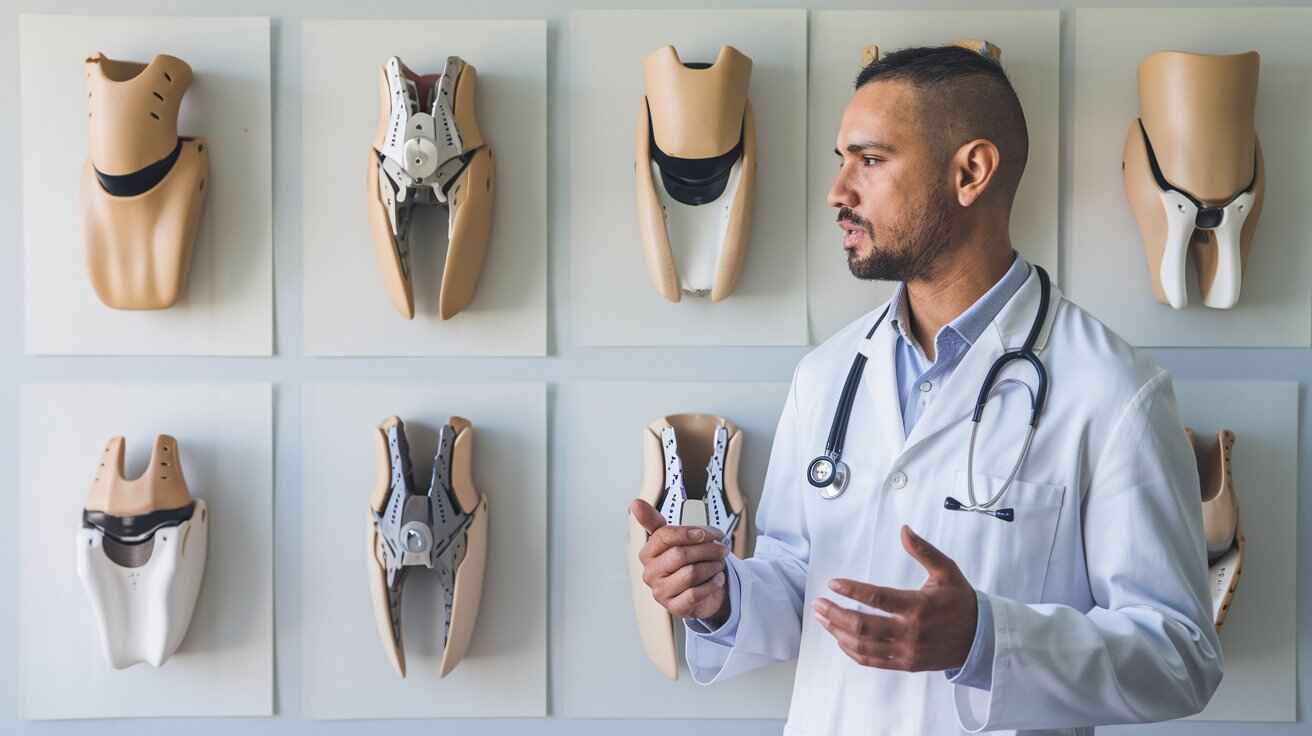
When considering total knee replacement implants, you'll encounter several different classifications based on how they're fixed to your bone, what materials they're made from, and their specific design features.
Fixation Methods: Cemented vs. Cementless
Cemented Implants
These implants use bone cement (polymethylmethacrylate) to adhere the components to your natural bone. Benefits include:
- Immediate strong fixation
- Faster initial recovery
- Long track record of success
- Particularly suitable for older patients with lower bone density
However, cement can deteriorate over time, which may eventually lead to loosening.
Cementless Implants
These implants have textured or porous surfaces that allow your natural bone to grow into them over time. Advantages include:
- Potential for more permanent biological fixation
- No cement degradation over time
- Often preferred for younger, more active patients with good bone quality
The downside is that they require healthy, strong bone for successful integration and may have a slightly longer initial recovery period.
Hybrid Fixation
Some knee replacements use a combination approach—typically a cementless femoral component with a cemented tibial component—aiming to combine the benefits of both techniques.
Material Options
The materials used in your knee implant significantly impact its performance, durability, and compatibility with your body.
Metal Alloys
The most common metals used in knee implants include:
- Cobalt-Chromium Alloys: Highly wear-resistant and biocompatible
- Titanium Alloys: Lighter weight, excellent biocompatibility, and more flexible
- Oxidized Zirconium: A metal that's transformed to create a ceramic surface, combining metal strength with ceramic wear resistance
Polyethylene (Plastic) Components
The bearing surface—the part that simulates cartilage—is typically made from:
- Conventional Polyethylene: Used successfully for decades
- Highly Cross-Linked Polyethylene: Treated to resist wear and reduce particle generation
- Vitamin E-Infused Polyethylene: Contains antioxidants to further improve longevity
Ceramic Components
Though less common in knee replacements than in hip replacements, ceramic components offer excellent wear characteristics and are hypoallergenic.
Design Variations
Beyond materials and fixation methods, knee implants vary in their fundamental design approach.
Fixed-Bearing vs. Mobile-Bearing Designs
Fixed-Bearing Knees In these traditional designs, the plastic insert is firmly attached to the tibial component. Advantages include:
- Simpler design with fewer moving parts
- Lower risk of bearing dislocation
- Excellent long-term track record
Mobile-Bearing Knees These designs allow some rotation or movement of the plastic insert. Potential benefits include:
- More natural knee movement
- Reduced wear due to better distribution of forces
- Potentially better function for high-demand activities
However, they may have a slightly higher complication rate in certain patients.
Cruciate-Retaining vs. Posterior-Stabilized Designs
Cruciate-Retaining (CR) Implants These preserve your posterior cruciate ligament (PCL) and may offer:
- More natural knee kinematics
- Better proprioception (positional awareness)
- Preservation of more natural bone
Posterior-Stabilized (PS) Implants These replace the function of the PCL with a post-and-cam mechanism:
- Can correct more severe deformities
- May provide better range of motion, especially bending
- Create more predictable motion patterns
Gender-Specific Implants
Some manufacturers offer implants specifically designed to address anatomical differences between male and female knees. These designs account for:
- Differences in femur shape and proportions
- Variations in patellar tracking
- Distinct Q-angles (alignment between hip and knee)
Personalized Knee Replacement Options
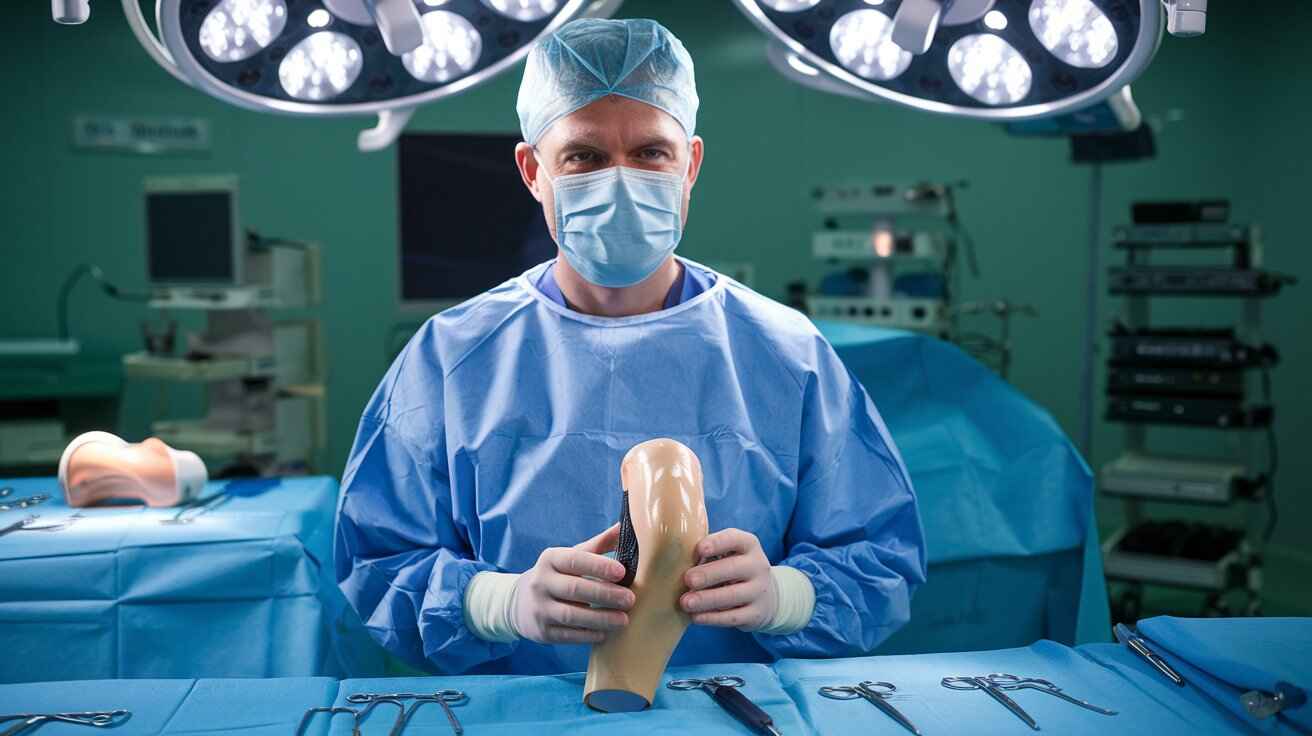
Modern orthopedic surgery increasingly offers personalized approaches to knee replacement, moving beyond the "one-size-fits-most" philosophy.
Patient-Specific Instrumentation
These systems use pre-operative imaging (MRI or CT) to create custom surgical guides that help position standard implants with greater precision. Benefits include:
- Potentially improved alignment
- Less invasive surgery
- Reduced operating time
Custom-Made Implants
For patients with unusual anatomy or specific needs, fully customized implants can be manufactured based on detailed imaging:
- Precisely matches your unique bone structure
- May preserve more natural bone
- Potentially improves function for atypical anatomies
Computer-Navigated and Robotic-Assisted Surgery
These advanced technologies help surgeons achieve optimal implant positioning:
- Computer Navigation: Uses infrared cameras to track movements in real-time
- Robotic-Assisted Surgery: Provides haptic feedback and precision cutting
Both approaches aim to improve implant alignment and potentially extend implant longevity.
Factors Influencing Implant Selection
Many factors determine which knee implant will work best for your specific situation. Dr. Chanda carefully considers:
Patient-Specific Factors
- Age: Younger patients may benefit from more durable materials and cementless fixation
- Activity Level: High-demand patients may need specialized designs
- Bone Quality: Determines appropriate fixation method
- Weight: Impacts mechanical stresses on the implant
- Allergies: May necessitate hypoallergenic materials
- Anatomy: Including any deformities or previous surgeries
Functional Goals
- Range of Motion Requirements: Some implants better facilitate deep bending
- Activity Aspirations: Different designs excel at different activities
- Balance of Stability vs. Mobility: Your preference for a stable feeling versus natural movement
Cost Considerations for Knee Implants

The financial aspects of knee replacement implants can vary significantly.
Insurance Coverage
Most insurance plans cover standard knee replacement implants, but coverage for premium or specialized options varies:
- Standard Implants: Generally fully covered by insurance
- Premium Features: May require additional out-of-pocket expense
- Custom Implants: Often require special authorization
Cost-Benefit Analysis
When considering premium implant options, patients should weigh:
- Potential functional improvements
- Expected longevity gains
- Impact on recovery time
- Long-term satisfaction
It's worth noting that the most expensive option isn't always the best choice for every patient—the right implant depends on your specific needs and goals.
Benefits and Risks of Different Implant Options
Potential Benefits of Specialized Implants
- More natural-feeling movement
- Improved range of motion
- Potentially longer implant life
- Better performance during specific activities
- Reduced risk of certain complications
Potential Risks and Considerations
- Newer designs have less long-term data
- Premium options may add cost
- More complex designs might have unique complication profiles
- Custom components may require longer manufacturing time
Making Your Decision: Working with Dr. Chanda
Choosing the right knee implant is ultimately a collaborative decision between you and your surgeon. Dr. Chanda takes a personalized approach to this important choice:
The Consultation Process
During your consultations, Dr. Chanda will:
- Thoroughly evaluate your knee condition
- Discuss your lifestyle, goals, and expectations
- Review your medical history and risk factors
- Explain implant options suitable for your situation
- Address your questions and concerns
Questions to Ask About Implants
To make an informed decision, consider asking:
- What implant do you recommend for my specific case?
- What are the advantages of this choice for my situation?
- How long has this implant been in use, and what's its track record?
- Are there newer alternatives I should consider?
- What has been your experience with this implant in similar patients?
- How might different implant choices affect my recovery?
Recovery and Rehabilitation with Your New Knee
Your rehabilitation experience may vary somewhat based on your implant choice:
Recovery Timeline Variations
- Cementless implants may require more protected weight-bearing initially
- Mobile-bearing designs might need specific physical therapy protocols
- Custom implants could potentially speed recovery due to better fit
Optimizing Long-Term Implant Performance
Regardless of implant type, you can maximize your outcome by:
- Following physical therapy recommendations diligently
- Maintaining a healthy weight
- Choosing appropriate activities
- Attending regular follow-up appointments
- Addressing any concerns promptly
Frequently Asked Questions About Knee Replacement Implants
How long do modern knee implants last?
Today's knee implants typically last 15-20+ years in most patients. Factors affecting longevity include implant design, patient age, activity level, weight, and surgical technique. Some newer materials and designs may potentially extend this lifespan even further.
Will I set off metal detectors with a knee replacement?
Most patients with knee replacements will trigger standard metal detectors. It's advisable to carry a medical alert card or physician's note when traveling. However, modern security scanners at airports can identify implants without issue in most cases.
Can I be allergic to knee implant materials?
Yes, though it's relatively rare. Nickel, cobalt, and chromium allergies are the most common. If you have known metal sensitivities, alert your surgeon, as hypoallergenic options like titanium, ceramic-coated, or zirconium implants are available.
Do knee implants feel natural after recovery?
Most patients report high satisfaction with modern knee implants. While the sensation may not be identical to your original knee, the vast majority of patients experience significant pain relief and functional improvement. Some implant designs may feel more natural than others based on your specific anatomy and expectations.
Are there weight limits for knee replacements?
There's no absolute cutoff, but obesity increases surgical risks and may impact implant longevity. Some surgeons recommend weight loss before surgery for patients with BMI over 40. Certain implant designs and materials may be preferred for heavier patients to ensure durability.
Conclusion: Partnering with Dr. Chanda for Optimal Results
Selecting the best total knee replacement implant for your unique situation is a crucial step toward regaining an active, pain-free lifestyle. Today's advanced options offer unprecedented possibilities for customization, durability, and function—but navigating these choices requires expert guidance.
Dr. Debashish Chanda combines extensive surgical experience with a commitment to staying current with the latest advances in knee replacement technology. His patient-centered approach ensures that your implant selection takes into account not just your medical needs but also your lifestyle goals and personal preferences.
Remember that the "best" knee implant isn't necessarily the newest or most expensive option—it's the one that best addresses your specific anatomy, activity goals, and overall health profile. By working closely with Dr. Chanda and asking informed questions, you can approach your knee replacement surgery with confidence, knowing that your implant choice is optimized for your individual needs.
If you're considering knee replacement surgery or have questions about implant options, schedule a consultation with Dr. Chanda today. Take the first step toward understanding your choices and finding the perfect solution for your knee pain.
Disclaimer: This article is for informational purposes only and does not constitute medical advice. Always consult with your healthcare provider about your specific medical condition and treatment options.
Have questions about total knee replacement implants? We'd love to hear from you in the comments below, or contact Dr. Chanda's office directly to schedule a personalized consultation.

Debashish Chanda
Admin